David Fischer · 11 October 2026
How Backcountry Artisans Utilize Targeted Digital Listings to Enhance Discoverability in Sparse Markets
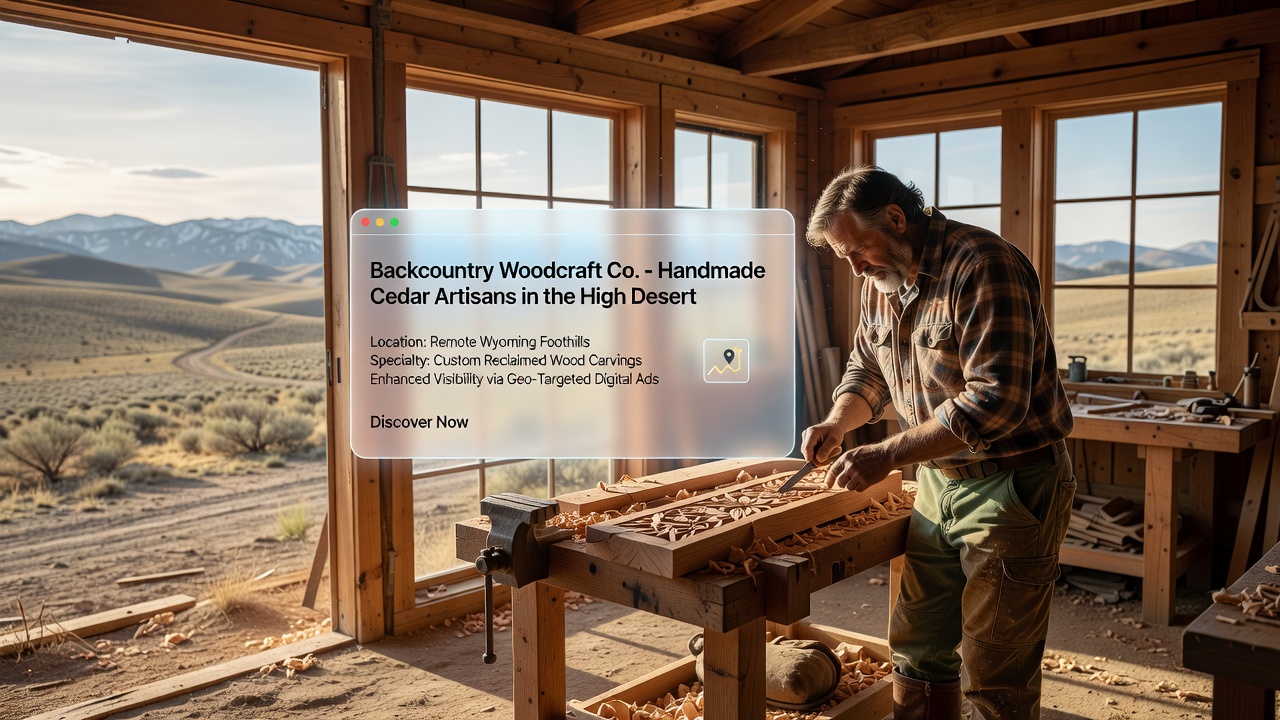
Backcountry artisans operate in regions where population density remains low and traditional retail channels stay limited, yet they increasingly turn to targeted digital listings to connect with buyers beyond immediate surroundings. These listings appear on specialized online directories, regional craft platforms, and geo-specific marketplaces that prioritize location-based search filters, allowing craftspeople in isolated areas to surface their work when users query terms tied to rural materials or handmade traditions. Data from remote economic surveys shows that artisans who register on such platforms experience measurable lifts in inquiry volumes, particularly when listings incorporate precise keywords related to local sourcing and production methods.
Platform Selection and Listing Strategies
Artisans begin by identifying directories that focus on niche categories such as handwoven textiles, forged metalwork, or wild-harvested wood products rather than broad e-commerce sites where competition dilutes visibility. Registration processes typically require verification of geographic location and material origins, which helps listings rank higher in searches filtered by state, province, or distance from urban centers. In October 2026, updates to several rural business databases introduced enhanced mapping integrations that pull real-time location data directly from artisan profiles, making it easier for potential customers to locate makers in sparse territories. Those who maintain consistent details across multiple listings, including high-resolution images of production sites and descriptions that reference specific environmental influences on their materials, report stronger performance in algorithmic recommendations.
Integration with Regional Search Tools
Targeted listings often sync with government-supported rural development portals that aggregate artisan profiles alongside tourism and agricultural resources. This integration allows search engines and mapping services to surface these entries when users explore remote destinations or seek authentic local goods. Research conducted by Statistics Canada on rural entrepreneurship indicates that artisans participating in coordinated directory networks see elevated click-through rates from queries originating outside their immediate provinces, since the listings carry metadata that aligns with seasonal interest patterns in outdoor and heritage products. Profiles that include embedded location tags and category tags tied to conservation practices further improve placement in results that emphasize sustainable sourcing.
One documented case involves a collective of woodturners in northern British Columbia who populated listings on a forestry-adjacent craft registry with details about locally salvaged timber, resulting in direct orders from European buyers who filtered searches by material origin. Such examples demonstrate how precise categorization within digital directories amplifies reach without requiring heavy advertising expenditures.
Data Patterns and Performance Metrics
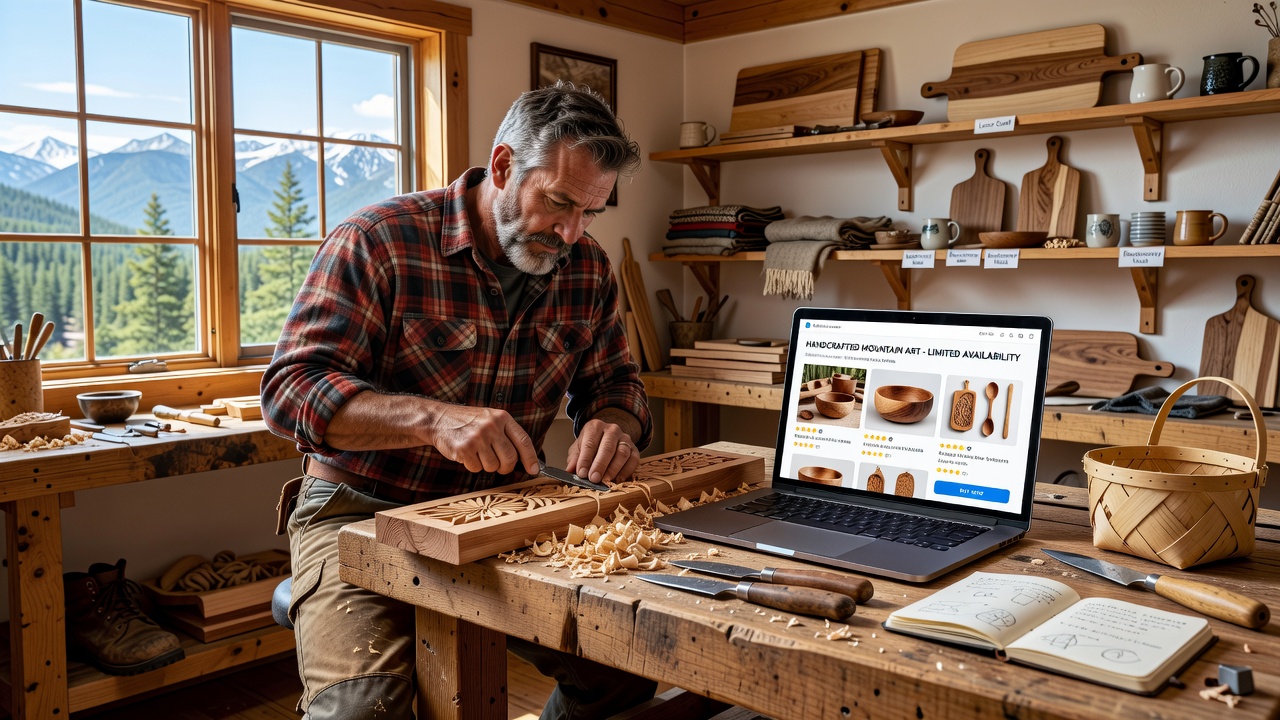
Performance tracking reveals that listings updated quarterly with fresh inventory images and availability calendars maintain higher engagement levels than static entries. Figures released by the Australian Bureau of Statistics on remote small enterprises show that businesses employing geo-targeted directory entries achieved average visibility increases of 28 percent over a twelve-month period ending in mid-2026. Metrics tracked through these platforms include impression counts segmented by user location, conversion rates from inquiry to sale, and referral sources that trace back to directory searches. Artisans who cross-reference their listing performance with broader search trend reports adjust descriptors to match rising interest in particular techniques or materials, sustaining relevance throughout changing market cycles.
Additional tools within these directories allow artisans to link listings to regional weather or event calendars, creating contextual relevance that surfaces profiles during periods when buyers plan travel or gift purchases. Observers note that this layered approach helps listings appear in results that combine product searches with location-based intent, extending discoverability for makers whose workshops lie hours from major highways.
Challenges in Sparse Market Implementation
Connectivity limitations and varying levels of digital literacy present ongoing hurdles for backcountry artisans adopting these tools. Some regions still rely on satellite connections that slow the upload of multiple product images or the completion of detailed profile forms. Training programs offered through rural economic development offices provide guidance on optimizing listing content without requiring advanced technical skills, focusing instead on clear language that highlights unique attributes such as traditional finishing methods or limited production volumes. Data compiled by the U.S. Department of Agriculture’s rural business division indicates that artisans who complete structured onboarding for directory participation maintain listings at higher rates than those who attempt independent registration without support resources.
Seasonal fluctuations also affect listing performance, since demand for certain handmade items peaks during holiday periods or tourism seasons while dropping during inclement weather months. Artisans address this by scheduling updates that align with anticipated search volume changes, ensuring descriptions remain current even when physical sales channels close due to access issues.
Conclusion
Targeted digital listings function as a primary mechanism through which backcountry artisans extend their market presence beyond physical isolation. By populating specialized directories with location-specific and material-focused details, these makers generate measurable increases in discoverability that translate into orders and inquiries from distant regions. Ongoing platform enhancements, including those observed through October 2026, continue to refine how such listings integrate with mapping and search systems, supporting sustained visibility for enterprises operating in low-density areas. The approach relies on consistent content management and alignment with regional data resources rather than broad promotional campaigns, offering a structured pathway for artisans to reach interested audiences without dependence on urban-centric infrastructure.